


What Is Dynamics 365 Finance and Operations?
Dynamics 365 Finance and Operations is an enterprise resource planning (ERP) solution designed to help organizations manage complex financial, supply chain, and operational processes within a single, integrated platform. It supports businesses that require advanced financial control, real-time visibility, and scalable operations across multiple entities, regions, or currencies.
The solution brings together core business functions such as financial management, supply chain planning, manufacturing, and analytics, enabling organizations to standardize processes while remaining flexible as they grow. Built on Microsoft’s cloud platform, Dynamics Finance and Operations provides the reliability, security, and performance required for enterprise-level operations.
By centralizing data and automating critical workflows, Dynamics 365 Finance and Operations helps decision-makers gain accurate insights, improve operational efficiency, and respond faster to changing business demands.
Features and Capabilities of Dynamics 365 Finance and Operations
Dynamics 365 Finance and Operations offers a broad range of capabilities that support how organizations manage finance, operations, and supply chains at scale. These capabilities are designed to help teams improve control, visibility, and efficiency across core business processes as operational complexity increases.
Financial Management and Control
Finance and Operations helps finance teams manage complex financial structures by automating core accounting processes and strengthening financial controls. Organizations gain real-time visibility into financial performance and greater confidence in reporting and compliance.
Supply Chain and Operations Management
The platform enables end-to-end visibility across supply chain and operational processes, from procurement and inventory management to production and distribution. This allows operations teams to plan more effectively, reduce inefficiencies, and respond faster to changes in demand or supply conditions.
Manufacturing and Resource Planning
For organizations with manufacturing requirements, Dynamics 365 Finance and Operations supports production planning, scheduling, and cost control. These capabilities help align resources with demand, improve production efficiency, and maintain consistency across manufacturing and operational workflows.
Reporting, Analytics, and Insights
Built-in analytics and reporting capabilities provide decision-makers with access to accurate, real-time data across the organization. With a unified view of operations and performance, leaders can monitor key indicators, identify trends, and make informed decisions based on reliable insights.
Security, Compliance, and Governance
Dynamics 365 Finance and Operations includes enterprise-grade security and compliance features designed to protect sensitive business data. Role-based access controls, audit trails, and governance capabilities help organizations meet regulatory requirements while maintaining control over system access and data usage.
Microsoft Dynamics 365 Finance and Operations Modules
The Finance module supports core financial operations such as general ledger, budgeting, fixed assets, cash and bank management, and financial reporting. It is designed for organizations that require strong financial control, multi-entity management, and compliance across regions.
This module enables organizations to manage procurement, inventory, warehousing, logistics, and demand planning. It provides visibility across the supply chain and helps operations teams optimize inventory levels, improve supplier collaboration, and respond more effectively to disruptions.
The Manufacturing module supports production planning, scheduling, shop floor control, and cost management. It is suited for organizations with discrete, process, or mixed manufacturing requirements that need tighter alignment between production and demand.
The Commerce module supports retail and omnichannel operations by connecting point-of-sale systems, e-commerce, and back-office processes. It helps organizations deliver consistent customer experiences while maintaining centralized control over pricing, inventory, and fulfillment.
Asset Management enables organizations to track, maintain, and manage physical assets throughout their lifecycle. This module supports preventive maintenance, work order management, and asset cost tracking, helping reduce downtime and extend asset life.
Is Dynamics Finance and Operations the Right Fit for Your Business?
Dynamics Finance and Operations is designed for organizations with complex financial and operational requirements. If you’re evaluating whether it aligns with your structure, scale, and growth plans, our experts can help you assess the best approach.
Deployment and Scalability
Dynamics 365 Finance and Operations is deployed on Microsoft Azure, providing a secure and scalable cloud foundation for enterprise operations. As business requirements evolve, the platform can scale to support additional users, entities, locations, and data volumes without the need to replace or redesign core systems.
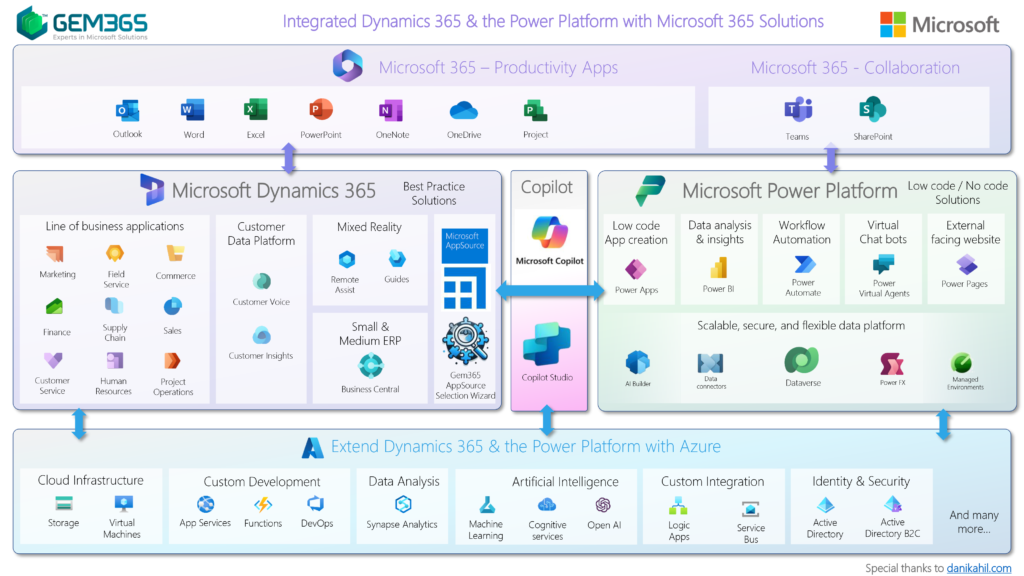
The solution integrates with other Dynamics 365 applications, Microsoft 365, the Power Platform, and third-party systems, enabling organizations to extend functionality and adapt processes as their operations grow.
Finance and Operations Benefits
Better Decisions with Real-Time Data
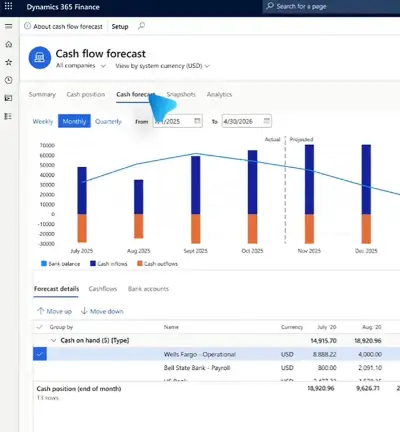
Access accurate financial and operational data when you need it. Get a clear picture of your cash flow, budgets, and performance to plan with confidence, not guesswork.
Improve Supply Chain Efficiency
Track inventory, shipments, and production. Reduce delays, prevent stockouts, and optimize your warehouse operations with connected tools.
Gain Financial Control and Visibility
Automate invoicing, manage expenses, and monitor financial performance. With built-in compliance tools and audit trails, you stay in control and ready for growth.
Smarter operations start with Dynamics Finance and Operations.

Licensing and Subscription Overview
Dynamics 365 Finance and Operations uses a role-based subscription licensing model designed to align system access with user responsibilities. This approach helps organizations control costs while ensuring users have access to the functionality they need.
Licensing is determined based on factors such as:
User roles and access levels
Required Dynamics 365 Finance and Operations modules
Number of users across the organization
Business complexity, including multi-entity or multi-country operations
Because licensing requirements vary by organization, the final subscription structure is typically defined during a discovery and assessment phase. This ensures the solution is sized correctly and supports both current needs and future growth.
Our consultants can help you review licensing options, clarify requirements, and recommend the most appropriate subscription model based on your operational goals and budget.

Why Choose GEM365 for Dynamics 365 Finance and Operations
Implementing Dynamics 365 Finance and Operations requires a clear understanding of business processes, operational complexity, and long-term objectives. Our role is to help organizations plan, implement, and optimize the solution in a way that delivers measurable value and reduces implementation risk.
Organizations choose us because we:
Take a structured, consultative approach to Dynamics 365 Finance and Operations implementations
Help define requirements through detailed assessment and fit-gap analysis
Align system design with financial, operational, and compliance needs
Support integrations with existing systems and the wider Microsoft ecosystem
Provide ongoing guidance, optimization, and long-term support
Dynamics 365 Finance and Operations FAQ
Dynamics Finance and Operations is designed for larger organizations with complex multi-entity, multi-currency, and operational scalability needs. Business Central targets small to mid-sized businesses with simpler ERP requirements.
Implementation timelines vary, but typical enterprise projects can range from 8 to 24 months, depending on business complexity, customizations, integrations, and data migration requirements.
Yes . It integrates natively with other Microsoft apps (Dynamics 365 suite, Microsoft 365, Power Platform) and can connect with third-party systems using APIs and data connectors.
Yes. The ERP is built on Microsoft Azure, offering enterprise-grade security features such as encryption, role-based access, and auditing to protect data and support compliance.
Microsoft Dynamics 365 Business Central documentation
Get the most out of Dynamics 365 Business Central with helpful training, guides, and videos. Learn how to manage and streamline key operations, like finance, sales, and manufacturing. All across your small or medium-sized business.